Predator Free Selwyn
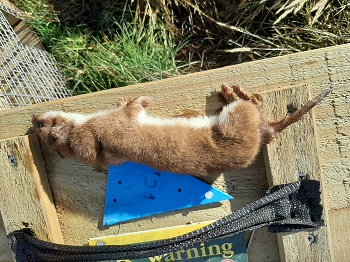
Many of Aotearoa New Zealand’s native species are vulnerable to introduced predators, including mustelids (stoats, weasels and ferrets), rats, possums and feral cats. Before humans arrived, our only native land mammals were three species of bat. Aotearoa was primarily a land of birds, reptiles and invertebrates, and its unique wildlife evolved without mammalian predators. As a result, many native species lack effective defences against these predators that primarily hunt using smell.
Across the district, many people area helping to protect our indigenous biodiversity through activities such as planting, weed control, and pest trapping. Council offers the Predator Free 2050 Fund for residents and/or ratepayers of the Selwyn District. The Fund's purpose is to support the restoration and protection of Waikirikiri Selwyn’s indigenous biodiversity (plants and wildlife) through the elimination of introduced predator animals. The funding is open to iwi, community groups, school, landowners and individuals who want to trap on either private or public land.
Trapping in Council Reserves
Volunteer trapping is only permitted in some council reserves, many of our community/urban parks are too busy or too open for safe trapping. Projects need approval from Council prior to starting. In the first instance please contact the Environment Team to determine whether your chosen reserve is suitable for trapping.

Resources
Predator Free 2050 has a vision to completely these pests from New Zealand. Predator Free NZ are leading the pest free movement at a national level. There many community groups in our region that are working to help fulfil the vision of a predator free New Zealand.
The Department of Conservation has developed the Predator Free 2050: A practical guide to trapping specifically for community led predator control projects. This resource includes beginner tips, trap and bait profiles, how-tos, and funding resources.
Towards Pest Free Waitaha is a collaborative partnership that supports community based-initiatives to suppress and eventually eliminate pest animals leading to a pest free Waitaha/Canterbury. They have a number of on-line resources to help community trapping groups achieve better outcomes.
Training
A 2-day training workshop for community is available through NMIT. This workshop will provide an overview of pest predators in New Zealand, particularly rats, stoats and possums. The main focus is on developing an effective Predator Pest Control Plan and highlighting the importance of monitoring. The workshop allows people to work out the right methods to match the outcomes they are seeking and also gives participants the practical experience they need to trap successfully.
Active Groups
Pest Free Kirwee is registered with Predator Free NZ and is dedicated to the eradication of mammalian pests in the Kirwee township and the surrounding rural area. Kirwee trappers provide traps, knowledge, training and support; they can be contacted at predatorfreekirwee@netspeed.net.nz
Malvern Predator Free is a successful community-led initiative in the Malvern area, aimed at eradicting introduced pests to help native flora and fauna thrive.
Predator Free West Melton is actively engaged in removal of predators and pests from the township.
The Craigieburn Trapping Alliance is a dedicated group of volunteers working to protect and restore the unique biodiversity of the Craigieburn / Upper Waimakariri Basin in the Canterbury High Country
The Arthurs Pass Wildlife Trust is a non-profit volunteer organisation that maintains a network of 107 km of trap lines in the National Park and the northern Part of the Craigieburn Forest Park. They also do activities such as weed control, bird monitoring and running trap building workshops.
Pest Free Selwyn is being led by Lincoln Envirotown Trust. With our support they have opened a trap Library where a limited numbers of DOC200 traps and bait are available for loan. The trap library is open on the last Saturday of every month at the Lincoln Farmers and Craft Market.
Pest Free Banks Peninsula is a collaborative programme to protect and enhance indigenous biodiversity on Banks Peninsula/Te Pātaka o Rākaihautū through the widespread eradication of animal pests. This community-led initiative has been formalised through a Memorandum of Understanding (MOU) signed by 14 foundation signatories in November 2018. The Selwyn District Council is a signatory to this MOU. The Pest Free Banks Peninsula working group have prepared a strategy for a pest-free Banks Peninsula which outlines what they seek to achieve, the why and priorities for the next five years.
If you know of any community led projects that are not displayed on this webpage please contact the biodiversity team at biodiversity@selwyn.govt.nz