Intersections
We all have a part to play in making our intersections safer. Selwyn drivers are regularly observed disobeying stop signs at intersections – this is creating a learned behaviour that could cost a life.
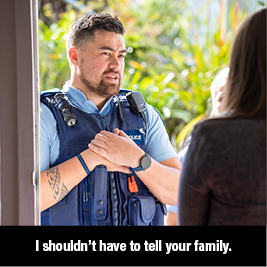
Driving through stop signs, even when it seems minor or safe, can quickly become a life-threatening habit. What feels harmless at a higher risk intersection could have dire consequences and create a ripple effect for our emergency services.
What is a “ripple effect”?
Every action has a reaction, one poor decision at an intersection could:
- Cause first responders and witnesses to deal with the trauma from a crash.
- Create additional strain on already stressed families.
- Increase anxiety of drivers through close calls.
- Cost someone’s life, family, income, health and future.
Please don’t be selfish with intersections – think of how it could impact you, your friends and family.
The best way we can turn this around is to make it socially unacceptable to run stop signs.
Please at every given opportunity, support our emergency services and our community by endorsing proper intersection behaviour and STOP at stop signs.
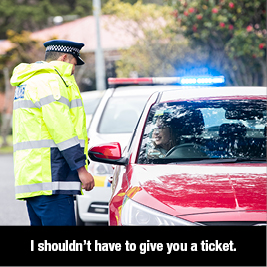
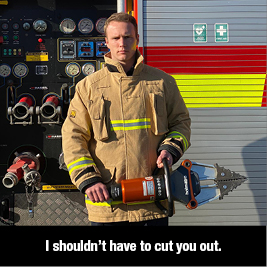
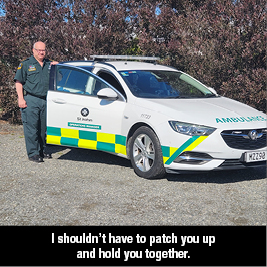
Intersection Driving Tips
Intersections are one of the most common locations for crashes in the Selwyn District. Poor observation, judgement and failure to stop or give way are the top contributing factors.
Here are some simple tips to help you navigate intersections safely.
- Always stop at STOP signs.
- At all STOP signs please look in all directions – ahead, behind, both sides. Only proceed when you can do so safely.
- At GIVE WAY signs, slow down and look in all directions – ahead, behind and both sides. Only proceed when you can do so safely.
- Be aware of how fast traffic is going, particularly when entering a higher speed road.
- Don’t pass vehicles whilst passing an intersection.
- Be aware of give way rules for controlled and uncontrolled intersections.
- When turning, indicate your intentions early, as this helps other road users including pedestrians know your intentions.
- Consider your vehicle position as you approach an intersection, ensure you are not blocking the visibility of other drivers.
- Do not park your vehicle within 6 meters of an intersection or in a place that could be inconsiderate to others.
Always take another look at intersections. If you are unsure or can’t see, then wait.
Learn when you must give way to other vehicles when driving, and find out what to do at various intersections here.
The flashing advance warning signs indicating that there is a stop-controlled intersection ahead, were installed as part of a trial. These devices have not been approved by NZTA Waka Kotahi for wider installation. We are unable to install any additional signs like these on the network.
Our primary concern with placing rumble strips at high-risk intersections is that this can create a muscle memory, audible indicator that an intersection is ahead. Not all intersections or regions will install these, therefore if drivers learn to rely on this and approach an intersection without them, the risk for a high-speed driver through is significantly increased.
We have network inspectors and contractors on our roads everyday. The condition of roads and intersections can change in a very short space of time, often after inspections have been completed. By using Snap Send Solve you can help us monitor locations that need additional inspections.
Major upgrades like traffic lights or roundabouts come with a significant price tag and are programmed well in advance through the Long Term Plan and negotiations for subsidised funding with NZTA Waka Kotahi. They are not interventions we can install on request.
Minor upgrades like splitter islands and painted road markings are conducted on a priority basis. Staff have prioritised all intersections in the district and looked at what can be implemented to improve safety at the high priority intersections. If you have particular concerns around an intersection, please use Snap Send Solve to register your concern.
There are particular conditions that require a stop sign controlled intersection. Primarily, this revolves around sight distances throughout the intersection. There are set guidelines around which control type should be used, it’s not as simple as swap one sign for another.
We are not able to enforce breaches of intersection rules, such as failing to stop or failing to give way. The NZ Police are the only agency able to enforce this behaviour.