Save Water
Together, let's keep Selwyn's water flowing this summer
Water is precious. Every litre must be treated, stored, and delivered to your home. Using less water reduces pressure on local supplies, treatment systems, and the environment, helping to lower the risk of water restrictions during the hotter months.
Water use by Selwyn households is very high – the average "household" uses over 675 litres per day. By being water wise at home, we can save money and keep water flowing for everyone this summer.
Tips for saving water at home
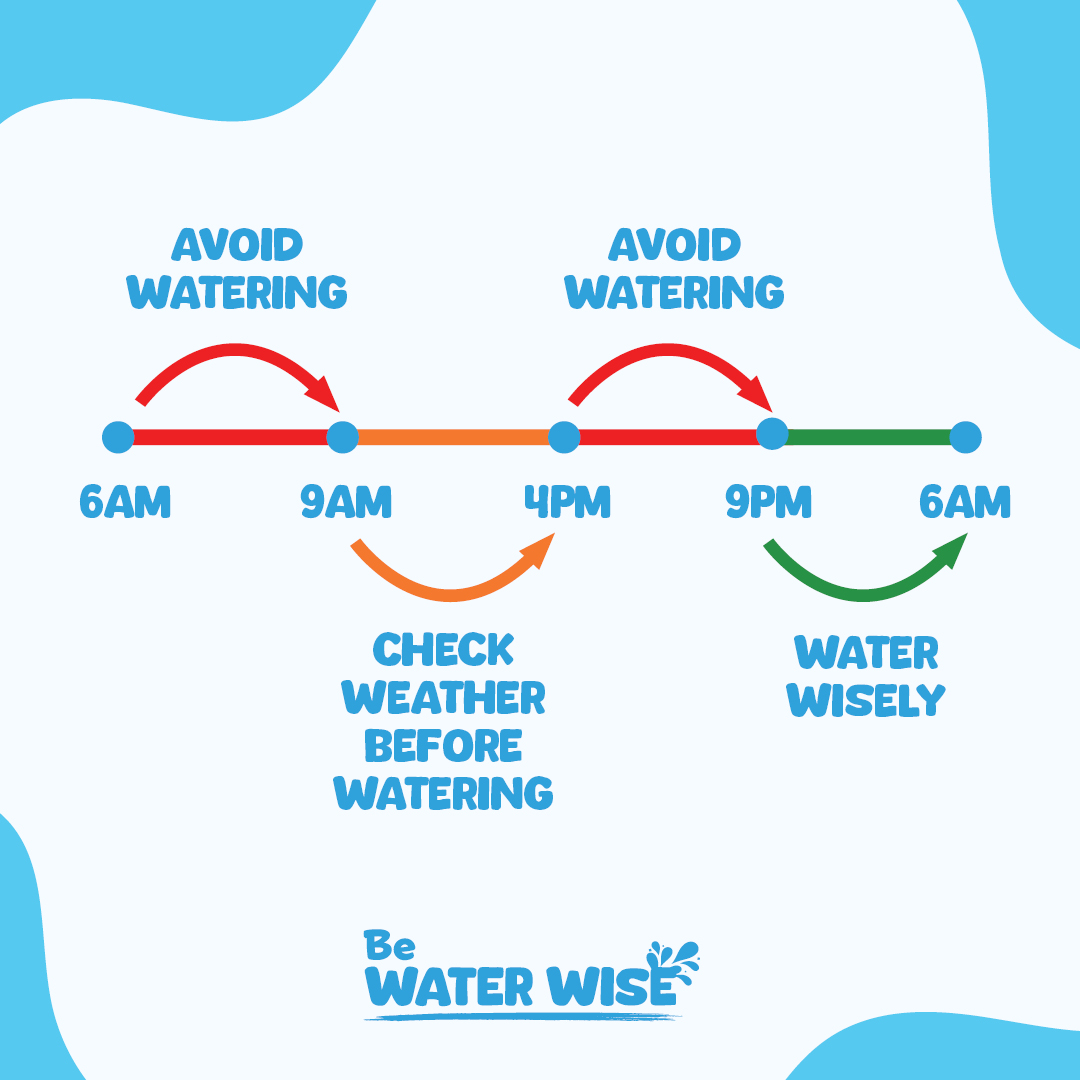 Water your garden between 9pm and 6am directly onto the plant using a watering can or hand-held hose.
- Do full loads - whether it's using the dishwasher or washing machine.
- Mulch, mulch and more mulch! Use mulch or cover the soil with organic matter to keep the soil moist. Mulches protect plant roots from the drying effects of sun and wind and reduce weeds.
- Reuse water from the kitchen when washing vegetables and cooking, to water your plants.
- Water the earth, not concrete. Your driveway, footpath, or buildings don't need watering – make sure you're watering the soil.
- Check for leaks. Inspect hoses and taps indoors and outdoors to check for leaks.
- Water for shorter. For example, set your system to run for three 5-minute intervals over a couple of hours to let the soil absorb more water, rather than watering for 15 minutes continuously.
- Plant natives. When planting new additions to your garden choose drought-resistant plants that don’t require a lot of water.
- Keep drinking water in the fridge. This saves having the tap running until you get cold water.
- Skip some days watering to keep your plants strong. Water your garden and lawn every few days rather than every day. Wetting the soil surface every day encourages roots to develop at the surface, making them more vulnerable to hot dry spells.
- Turn off the tap when brushing your teeth.
- Use a council or school pool.
- Water what needs it. No need to water the berm – let it die off during summer to save money on your water rates and wear and tear on your lawn mower.
Get more tips on SMART watering.
How much water do we use?
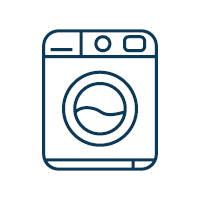
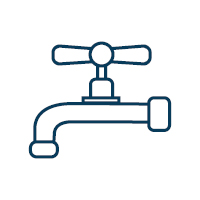
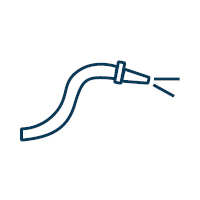
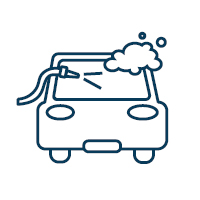
This chart shows the amount of water typically used for different household activities.
Activity | Water Used | Buckets |
|---|---|---|
| 50 to 120 litres (half-full) | 5 - 12 |
| 70 to 160 litres (8 minutes) | 7 - 16 |
| 23 litres per kg of dry clothing | 4 - 5 |
| 200 litres per day (if leaking) | 20 |
| 600 to 900 litres per hour (hand watering) | 60 - 90 |
| Up to 1500 litres per hour | 150 |
| 100 to 300 litres | 10 - 30 |
| 20,000 to 50,000 litres | 2,000 - 5,000 |

Read our water wise guide [PDF, 725 KB] to find out more about household water use and what you can do to reduce your water consumption.
Harvesting rain water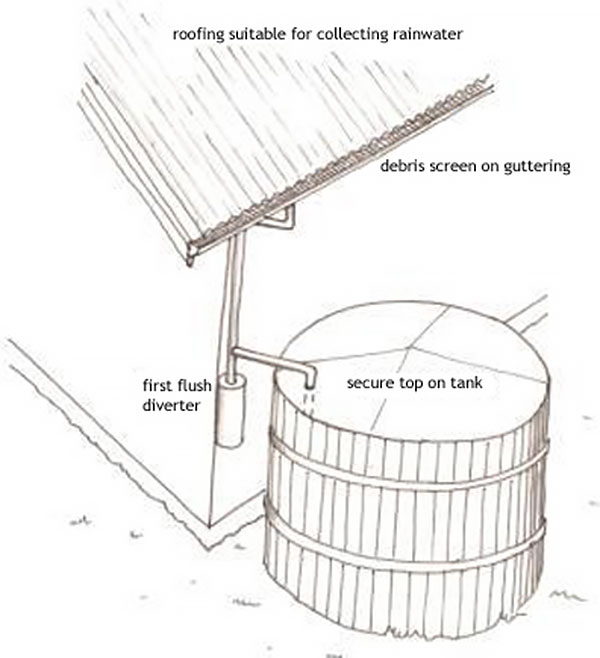
Installing a rainwater tank is relatively simple and inexpensive, and the benefits are ongoing.
- Rainwater is a good source of water for using on your garden.
- It can also be used for washing your clothes, flushing the toilet, and – if it's properly treated – for drinking and other household uses.
More information about how to harvest rain water is available on the MBIE Smarter Homes website
Farming and good water management practices
Good Management Practices (GMPs) can be used on farm to improve water quality (notably nitrogen, phosphorus, sediment, and faecal contaminants). Download the Industry-Agreed Good Management Practices Booklet.
Visit Ecan website for more information on sustainable farming.
How much water is available?
Regional councils collect information about how much water is available and manage resource consents for those wishing to take water from rivers or groundwater supplies.
94% of the volume of groundwater available to be consented in Canterbury is already consented for use. (Source: LAWA website)